01
PET bottle washing
Remove labels and contaminants, then wash and dry crushed PET into flakes for further processing.
02 / RECYCLING
Recycling solutions for PET bottles, rigid PP/PE plastics, films, and woven bags. Connect preparation, washing, and pelletizing in a line shaped around your material.
Discuss your project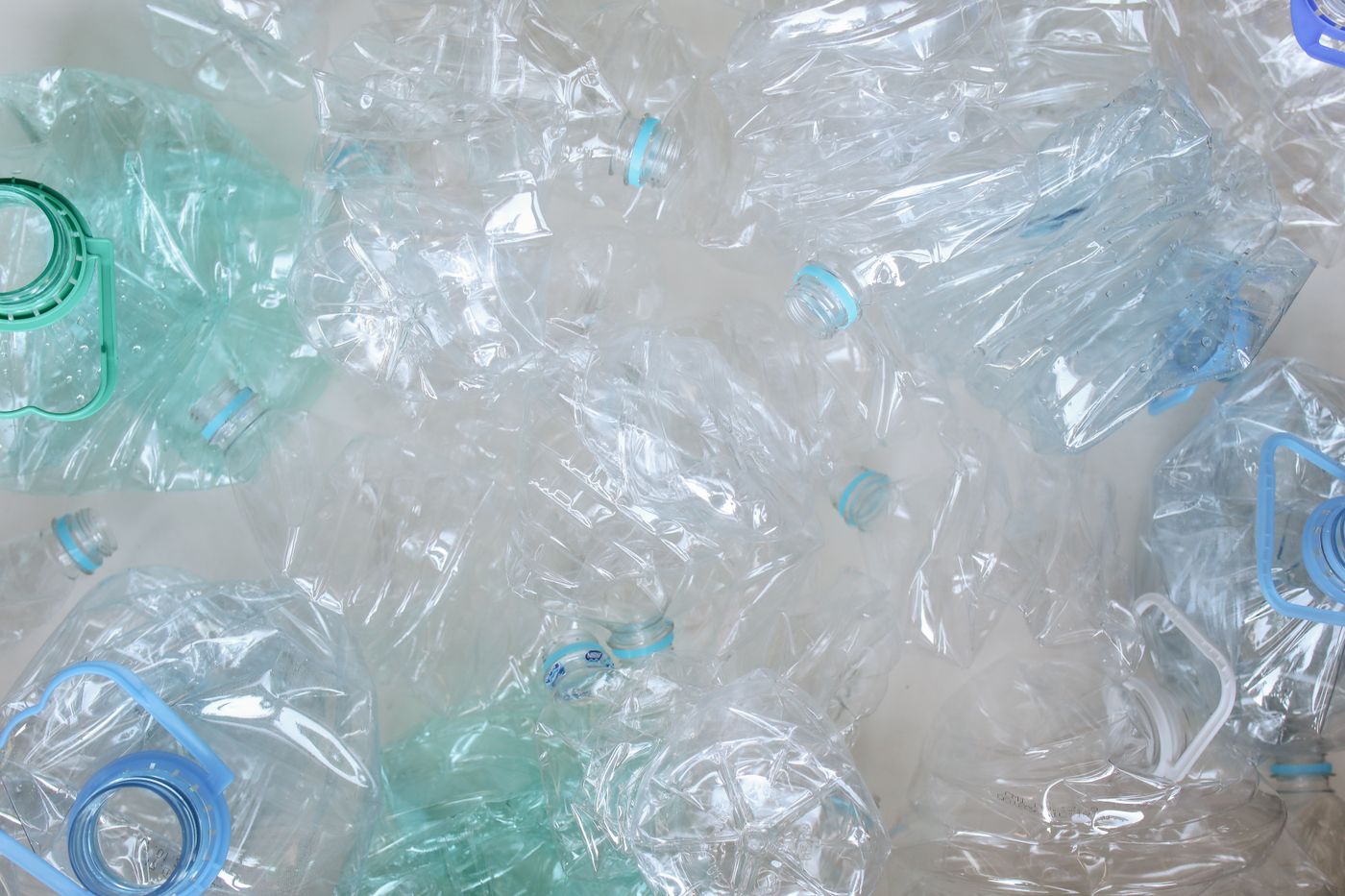 ANOTHER CYCLE.
FIND YOUR RECOVERY ROUTE
Remove labels and contaminants, then wash and dry crushed PET into flakes for further processing.
Prepare bottles and other suitable rigid plastics through size reduction, washing, separation, and drying.
Clean flexible packaging, agricultural film, and woven sacks using a sequence of washing, rinsing, and drying stages.
Convert prepared PP/PE material into pellets through extrusion and cutting, with filtration selected for the feedstock.
Separate bottle labels before the main washing process to reduce unwanted material in the recovered flakes.
Reduce bulky plastic into smaller pieces that are easier to wash, handle, and process.
RECYCLING
A new life starts with the right process.
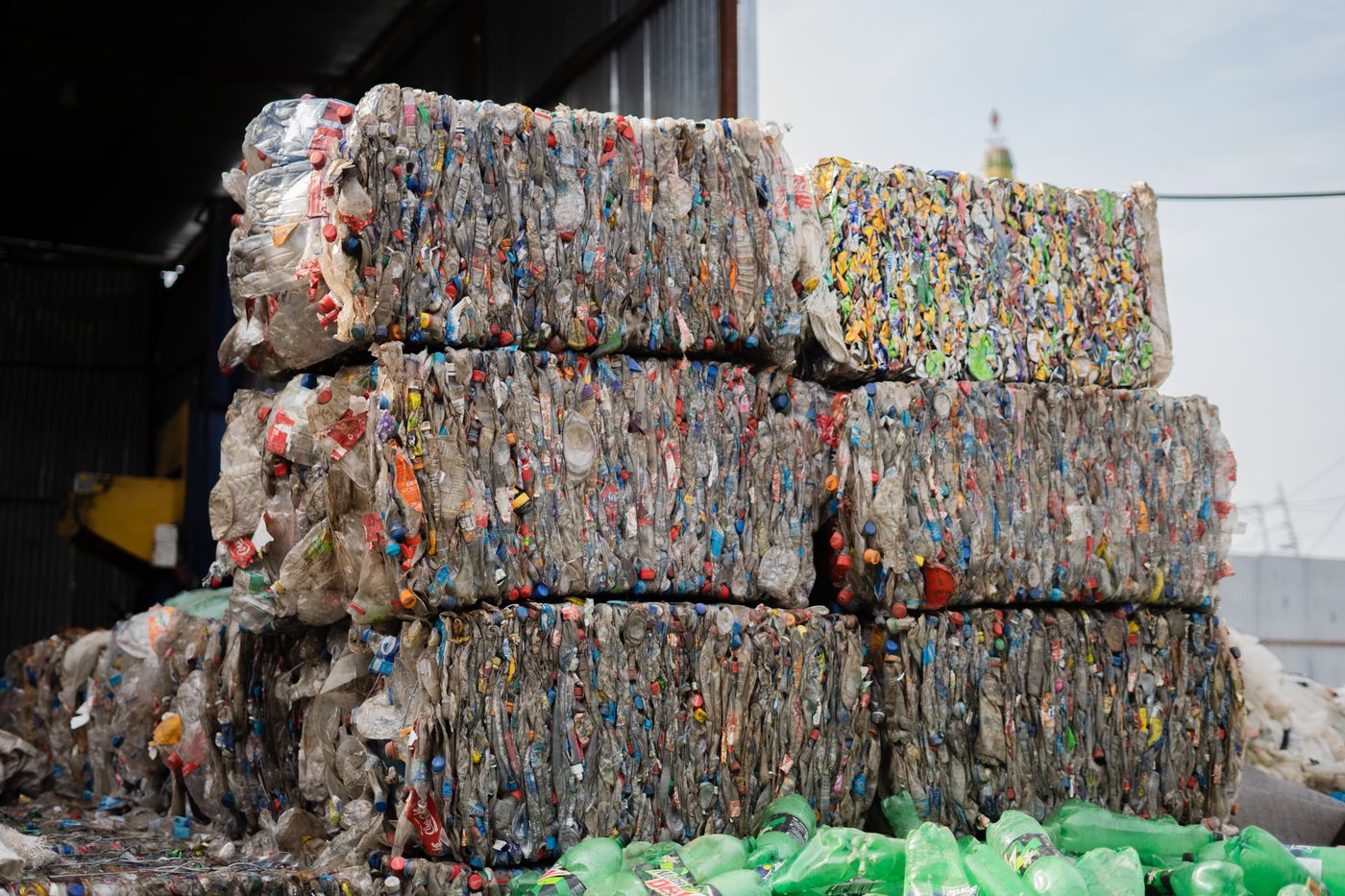
Mechanical recycling prepares used plastic for another production cycle. Sorting, size reduction, cleaning, and drying help create a more consistent recovered material. The selected process depends on the polymer, contamination, and intended end use.
PET bottle lines combine pre-washing, label removal, crushing, washing, and drying. The resulting flakes can be prepared for downstream applications such as fibre, sheet, and strapping. End-use specifications guide the equipment configuration; food-contact applications require their own process validation and approvals.
Tell Liliang Machinery which polymers you receive, how contaminated they are, and the output you want to produce. We can discuss a washing or pelletizing configuration around your target throughput, available space, water supply, and power.
FOLLOW THE MATERIAL
Identify the polymer and remove unsuitable material.
Separate labels where needed and reduce material size.
Remove dirt and separate unwanted fractions.
Prepare cleaner, drier material for the next stage.
Select the final preparation route for your application.
A FEW USEFUL ANSWERS
These materials have different processing needs. Identify the incoming polymers first, then choose equipment suited to the material and required output.
Film and woven bags need a configuration designed for flexible material. Washing, screening, rinsing, and drying stages are selected around the contamination and material characteristics.
Include material photos, polymer types, contamination details, desired hourly throughput, site location, and whether you need flakes or pellets. These details give the discussion a useful starting point.
LET’S TALK ABOUT YOUR NEXT PROJECT
Bring us your challenge. Let’s explore what comes next.