Purpose-built equipment. Practical engineering for your next move. Meet Liliang

04 / PLASTIC EXTRUSION

Extruders

Shape the next stage of production. Explore extruders and connected lines for plastic pipes, profiles, sheets, films, and compounded materials.

Discuss your extrusion project
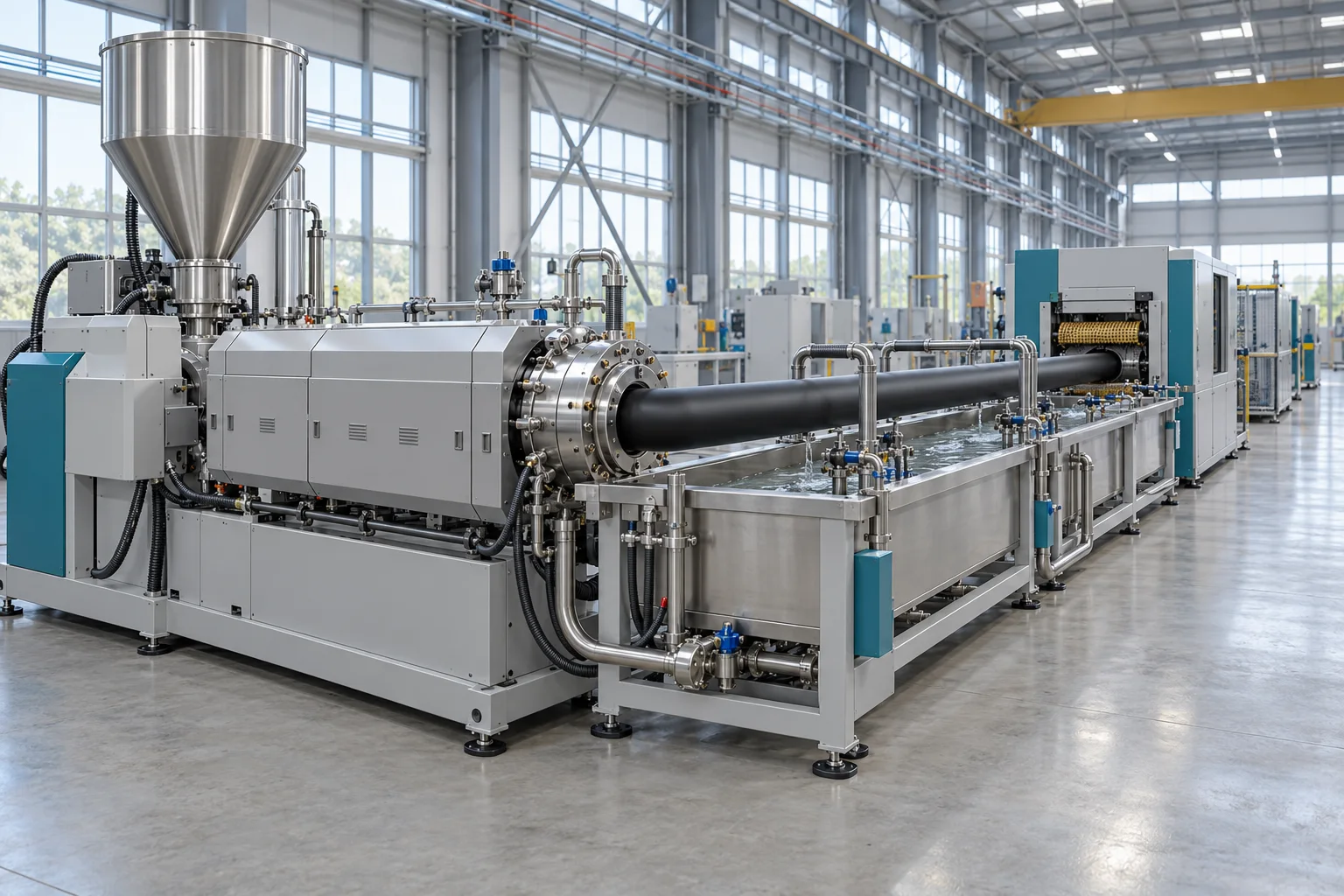
Illustrative unbranded plastic pipe extrusion line with feeding hopper and cooling equipment
Extrusion technology in focusApplication reference photos and AI-generated equipment illustrations.

FROM POLYMER TO POSSIBILITY

The right process gives material its shape.

Extrusion brings feeding, melting, mixing, and shaping into a continuous process. A considered line connects the extruder with suitable tooling, cooling, handling, and finishing equipment. Start with your material and the product you want to make, then build the configuration around them.

Pipes & profilesSheet & filmCompoundingPelletizing

04 / PLASTIC EXTRUSION

Explore your extrusion route.

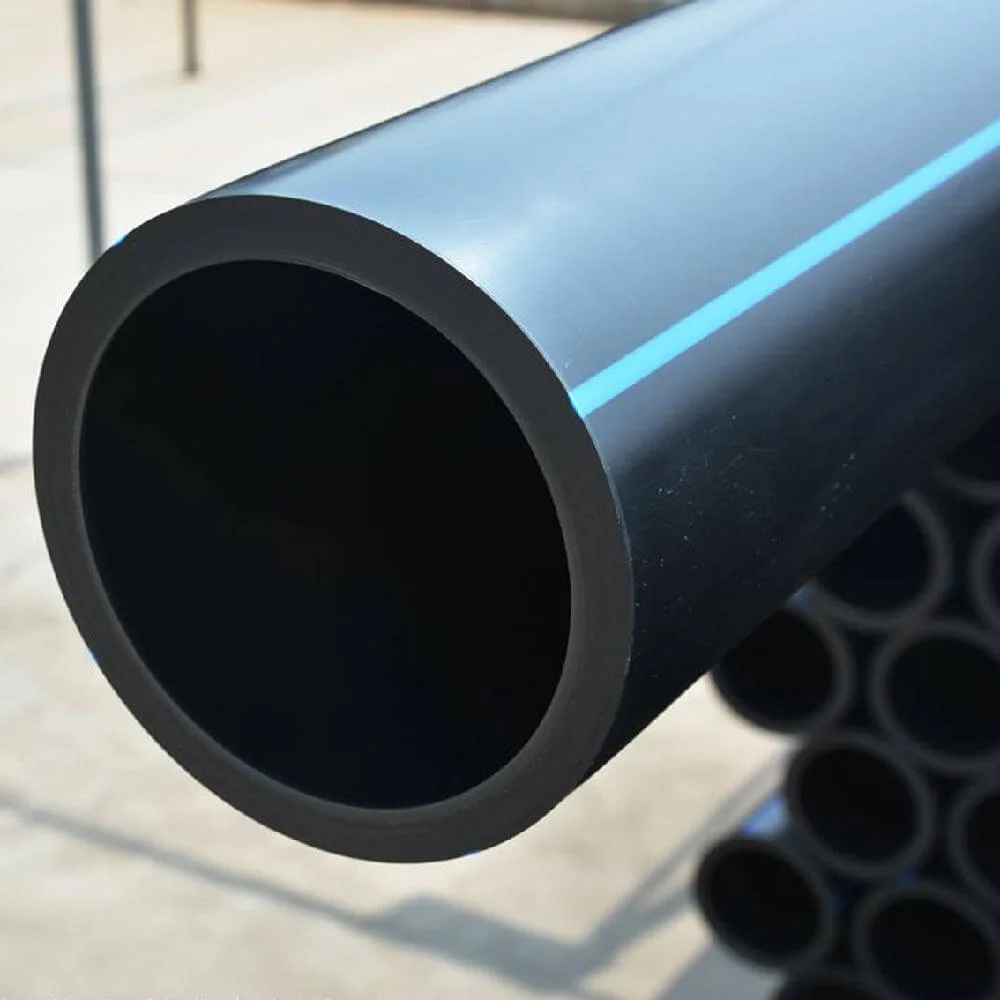
Unbranded black plastic pipe with a blue identification stripe
01

Pipe extrusion lines

Explore PE, PP, and PVC pipe production concepts for water, drainage, and other specified applications. Coordinate material preparation, extrusion, die design, calibration, cooling, haul-off, and cutting around the required dimensions.
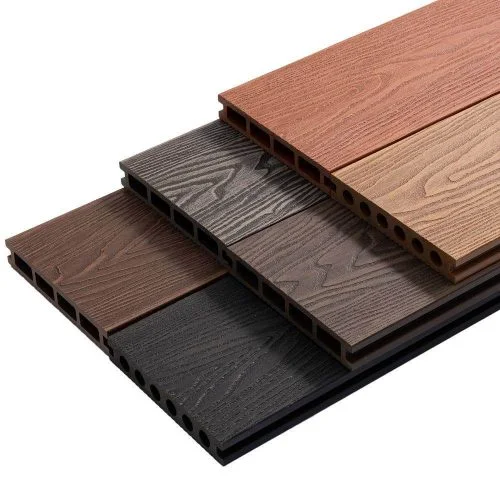
Wood-plastic composite decking sections in several colours
02

Profile & WPC extrusion

Shape window and door profiles, decking, cladding, and other continuous sections. Match the polymer or wood-plastic formulation to the tooling, calibration, cooling, cutting, and surface finishing requirements.

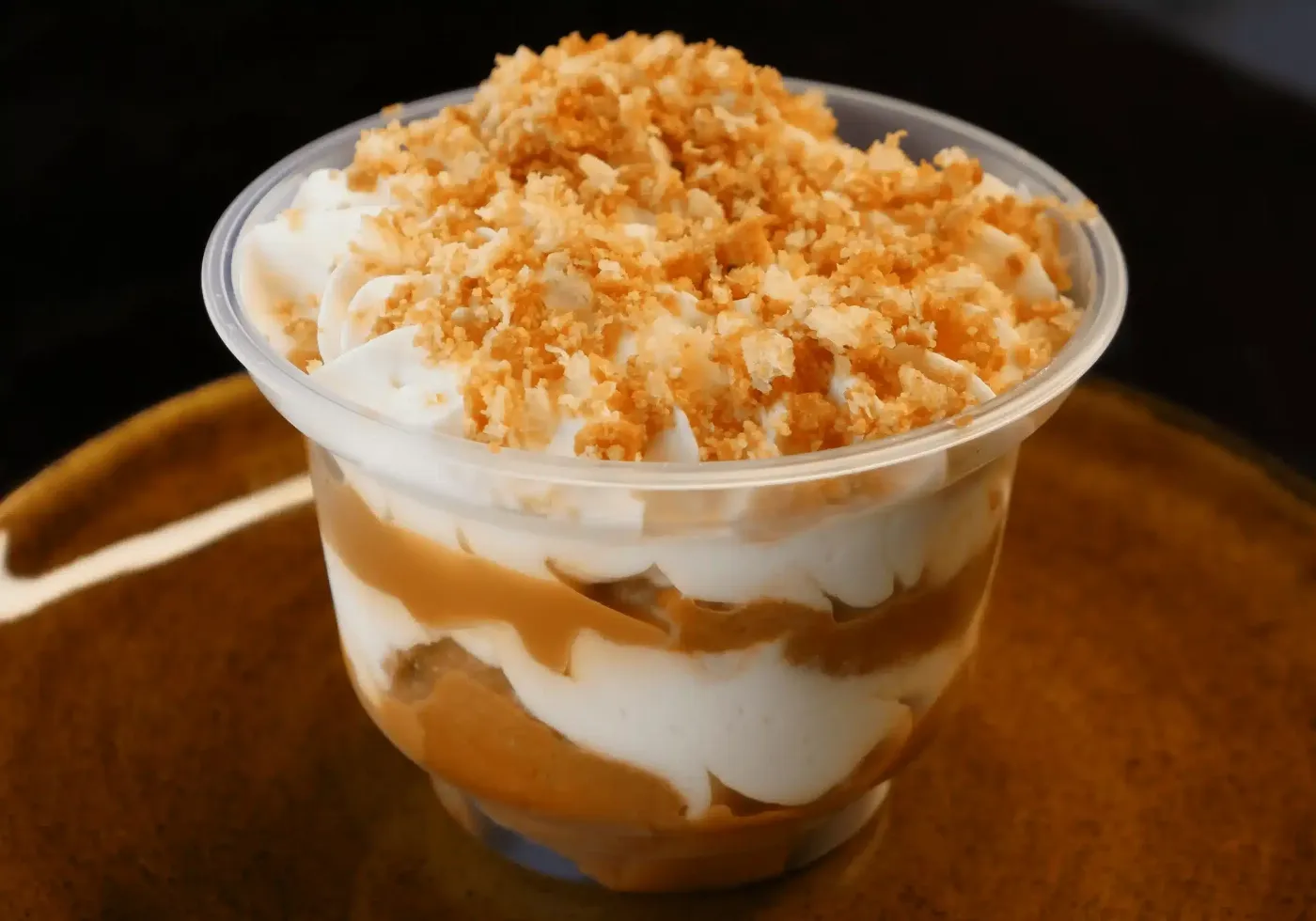
Clear plastic dessert cup illustrating a sheet-based packaging application
03

Sheet & plate extrusion

Plan sheet and plate production for packaging, thermoforming, and industrial applications. Flat-die shaping, roller calibration, cooling, trimming, and winding or stacking are selected for the material and product.

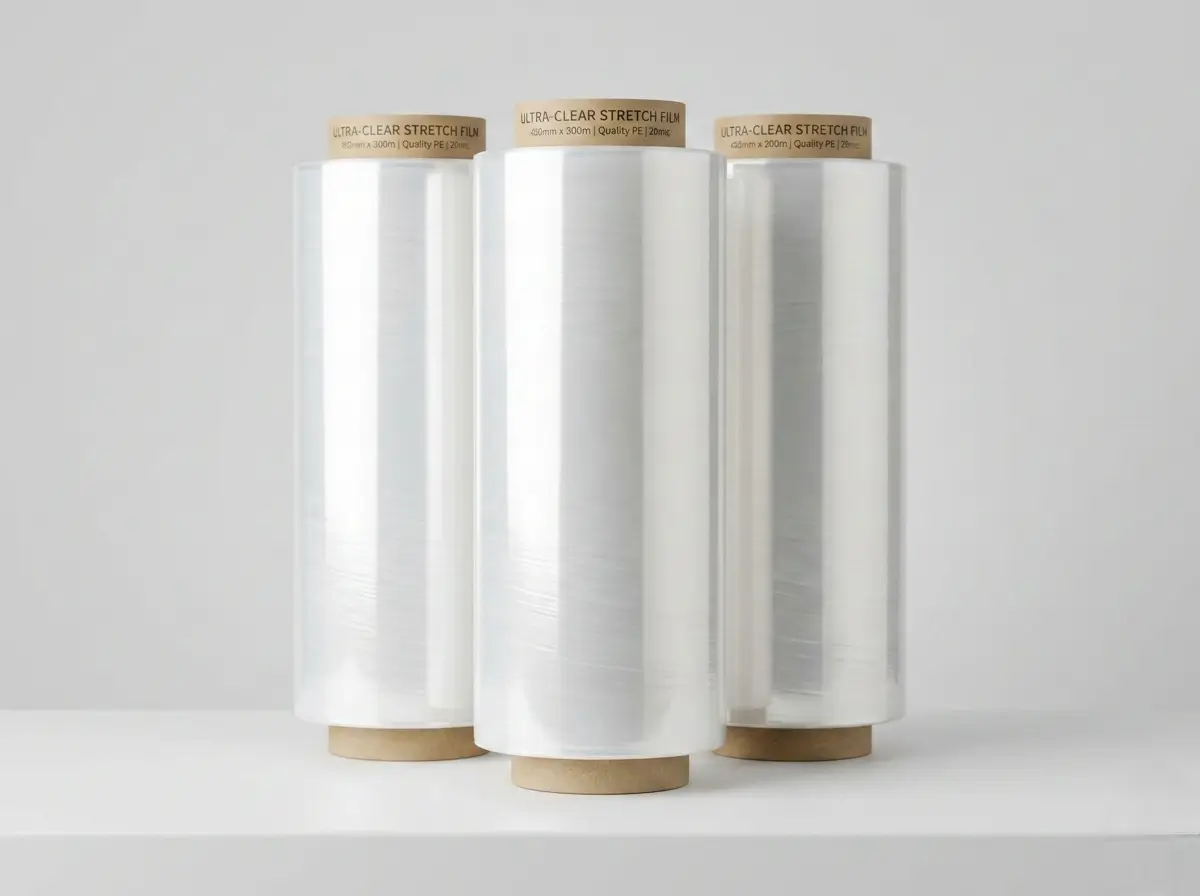
Three clear stretch film rolls without company names
04

Cast film extrusion

Explore single-layer and multi-layer film concepts for stretch wrapping and other suitable packaging uses. Connect extrusion and die design with controlled casting, cooling, thickness monitoring, and winding.

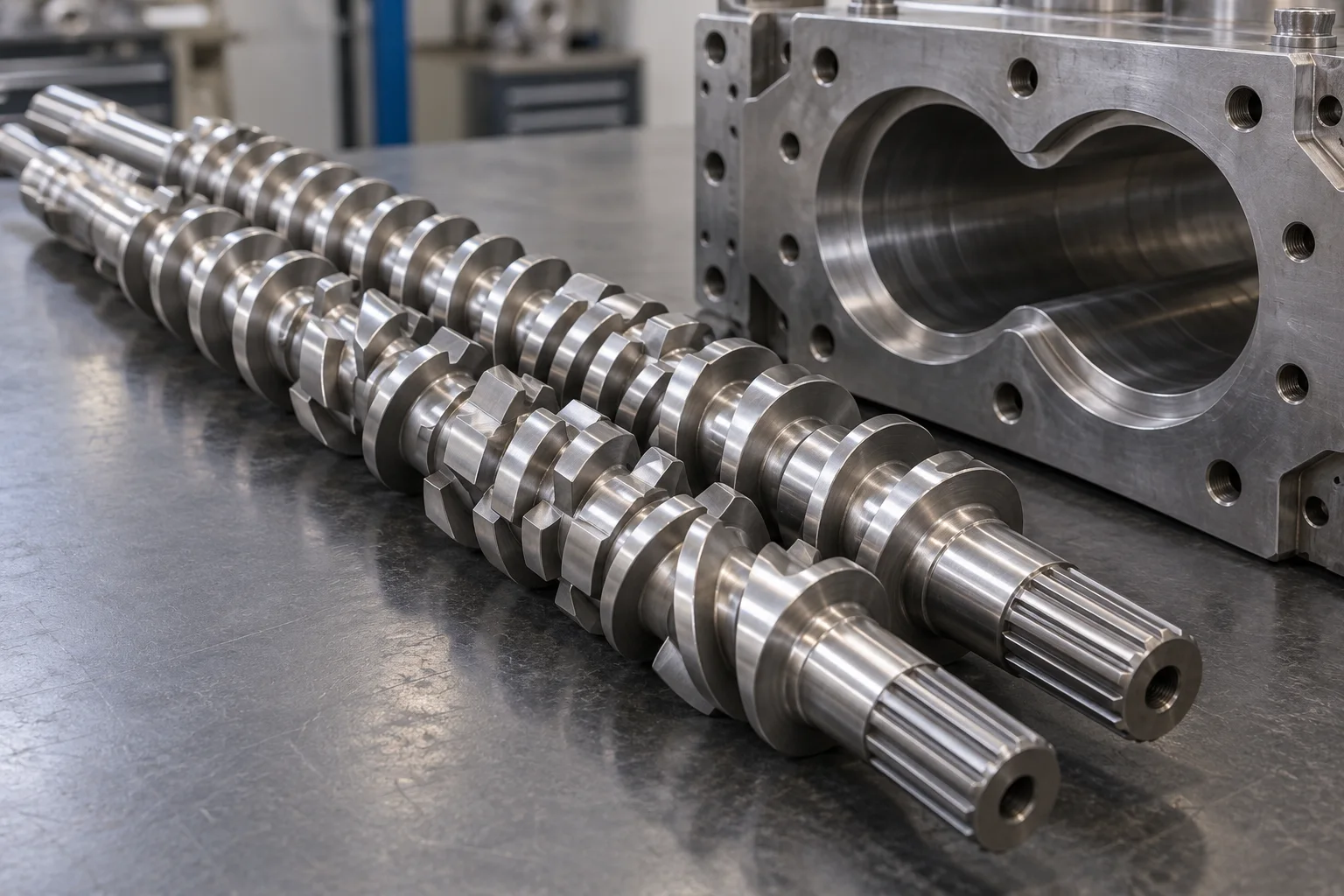
Illustrative parallel extruder screws and a matching barrel segment
05

Compounding & pelletizing

Mix polymers, additives, fillers, or colour concentrates into a defined formulation. Twin-screw concepts, feeding points, venting, filtration, and the pelletizing method are assessed around the recipe and required granules.

Illustrative generic extrusion system with hopper and barrel enclosure
06

Single-screw & twin-screw systems

Select a screw concept around the processing task. Consider melt consistency, mixing, conveying, material sensitivity, and the downstream product, rather than choosing by screw diameter alone.

Illustrative precision screw elements used to explain extrusion equipment
01

Begin with the material and the product.

The polymer grade, formulation, moisture, fillers, and recycled content influence the processing route. So do the finished dimensions, layer structure, appearance, and intended application. Supply a product drawing or sample alongside the material specification. Single-screw and twin-screw designs serve different processing needs. Mixing, conveying, venting, and the condition of the incoming material help define the screw, barrel, and feeding arrangement. A technical review brings these choices together.

Plastic pipe cross-section showing the product dimensions an extrusion line must control
02

A complete line goes beyond the extruder.

The die establishes the product shape, while the downstream process helps control its final form. Pipes and profiles can require calibration, cooling, haul-off, and cutting. Sheet and film concepts bring together a flat die, cooling or calender rolls, edge trimming, and winding or stacking. Multi-layer products also need the material streams and layer distribution to work together. Plan feeding, tooling, controls, and finishing as one process, with access for operation, cleaning, and maintenance.

Illustrative engineering team discussing a production project
03

Plan around the production you want to run.

Share the target product, output, operating schedule, and available factory space. Discuss power, cooling water, material handling, changeovers, and the level of automation alongside the core extrusion equipment. Liliang Machinery helps turn those requirements into the next practical planning step. Equipment capability, recycled material suitability, and the achievable production rate should be confirmed for the proposed application.

FROM POLYMER TO POSSIBILITY

From material preparation to finished product.

  1. 01

    Prepare & dose

    Define the feedstock, blend ingredients, and provide drying or other preparation where the material requires it.

  2. 02

    Melt & mix

    Use the selected screw and barrel arrangement to convey and plasticize the formulation under controlled conditions.

  3. 03

    Shape

    Guide the melt through tooling selected for the pipe, profile, sheet, film, or pelletizing application.

  4. 04

    Cool & stabilize

    Match cooling, calibration, or casting to the product geometry and the required dimensional stability.

  5. 05

    Finish & handle

    Coordinate haul-off, cutting, winding, stacking, or pellet handling with the rest of the production line.

A FEW USEFUL ANSWERS

Before you plan an extrusion line.

What information do you need to recommend an extruder?

Share the polymer or formulation, whether the input is pellets, powder, or prepared recycled material, your target product, dimensions, and required output. Product drawings, samples, utilities, and a preliminary factory layout make the technical discussion more useful.

How do single-screw and twin-screw extruders differ?

The appropriate screw arrangement depends on the material and processing task. Consider conveying, plasticization, mixing, venting, and the product specification together. Twin-screw machines also differ in geometry and rotation, so they should be selected for the application rather than treated as interchangeable.

Can an extrusion line process recycled plastics?

Suitable recycled materials can be considered for some applications, but contamination, moisture, consistency, and the finished product requirements need assessment. Preparation, filtration, drying, or venting may be necessary. The use of recycled material does not by itself establish suitability for food-contact or other regulated applications.

Can one line make different sizes or products?

A line may support an agreed range of sizes or formats with appropriate tooling and adjustments. A change from pipe to sheet or film usually involves substantially different dies and downstream equipment. Define your intended range at the start so practical flexibility can be assessed.

What is co-extrusion?

Co-extrusion combines separate melt streams into a layered product through a suitable die arrangement. Layer materials, thickness distribution, compatibility, and synchronized control must be considered with the intended product and its application.

How is the required output determined?

Use the finished product specification, material, operating hours, changeovers, and production plan to define the requirement. The extruder, tooling, cooling, and finishing stages must be assessed together before a working output can be agreed.

LET’S TALK ABOUT YOUR NEXT PROJECT

Your process. Your project. A new possibility.

Bring us your challenge. Let’s explore what comes next.

Contact us
⌃