
01
PET bottle filling
For water, juices, and soft drinks in lightweight bottles. Coordinate container forming or infeed, accurate dosing, and screw capping with the handling needs of your bottle format.
03 / FILLING & PACKAGING
Precision at every fill. A connected approach to bottle, can, and food packaging lines, shaped around your product and production goals.
Discuss your filling project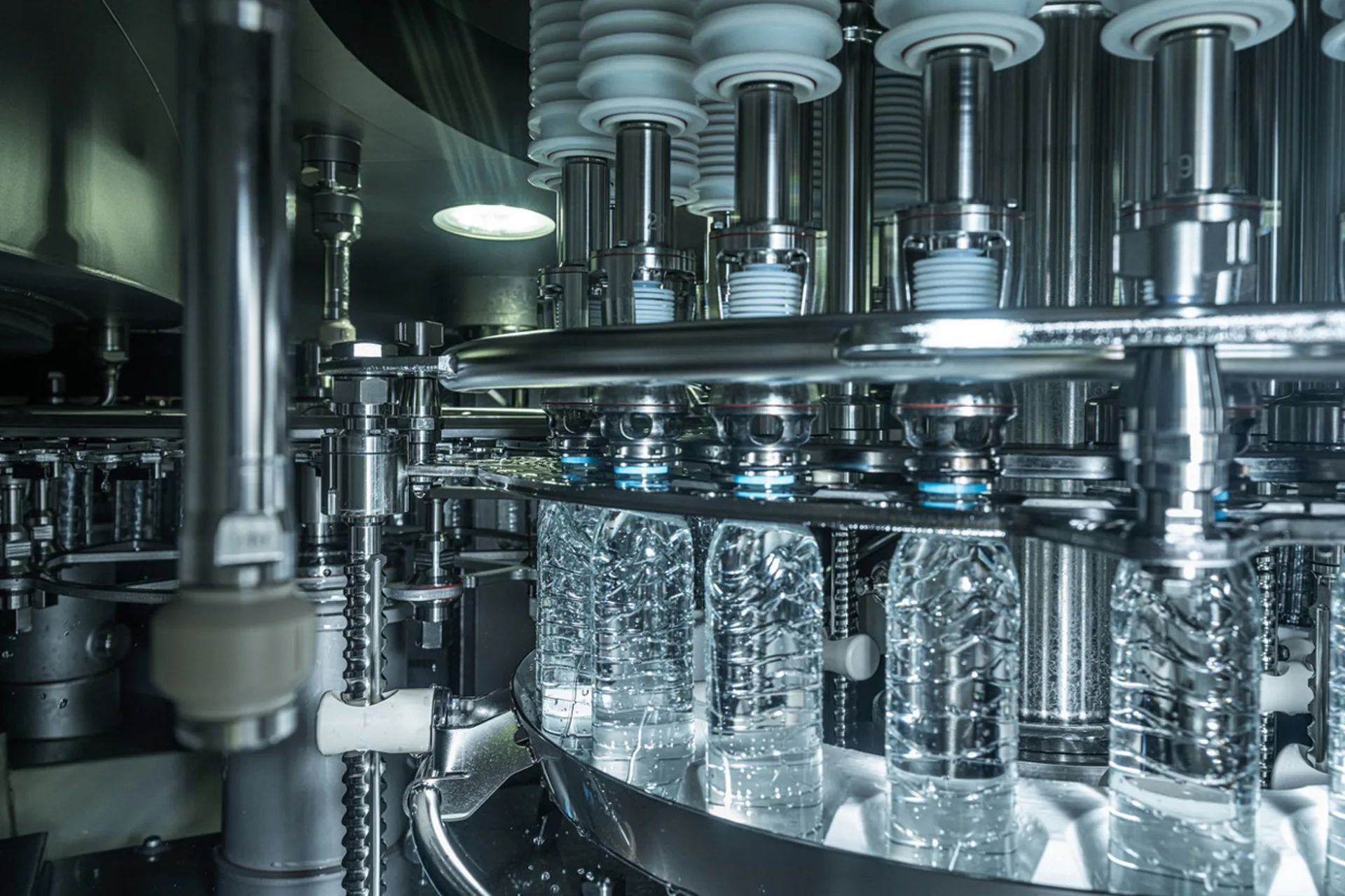
FROM PRODUCT TO FINISHED PACK
A filling line works best when every stage works together. Product properties, container design, hygiene, and the required output all shape the equipment configuration. Start with a single machine or plan a connected line, from empty container to finished pack.
03 / FILLING & PACKAGING
For water, juices, and soft drinks in lightweight bottles. Coordinate container forming or infeed, accurate dosing, and screw capping with the handling needs of your bottle format.

Gentle container handling and controlled fill levels for water, juice, beer, and other beverages. Select rinsing, filling, and closing around the bottle, product, and returnable or one-way format.

Bring product dosing and lid seaming together for beverage cans. Coordinate format handling, product pressure, and seam checks with the rest of the line.

Match the filling process to the recipe, viscosity, and temperature. Pulp and fruit pieces need particular attention to product handling, valve design, and cleaning.
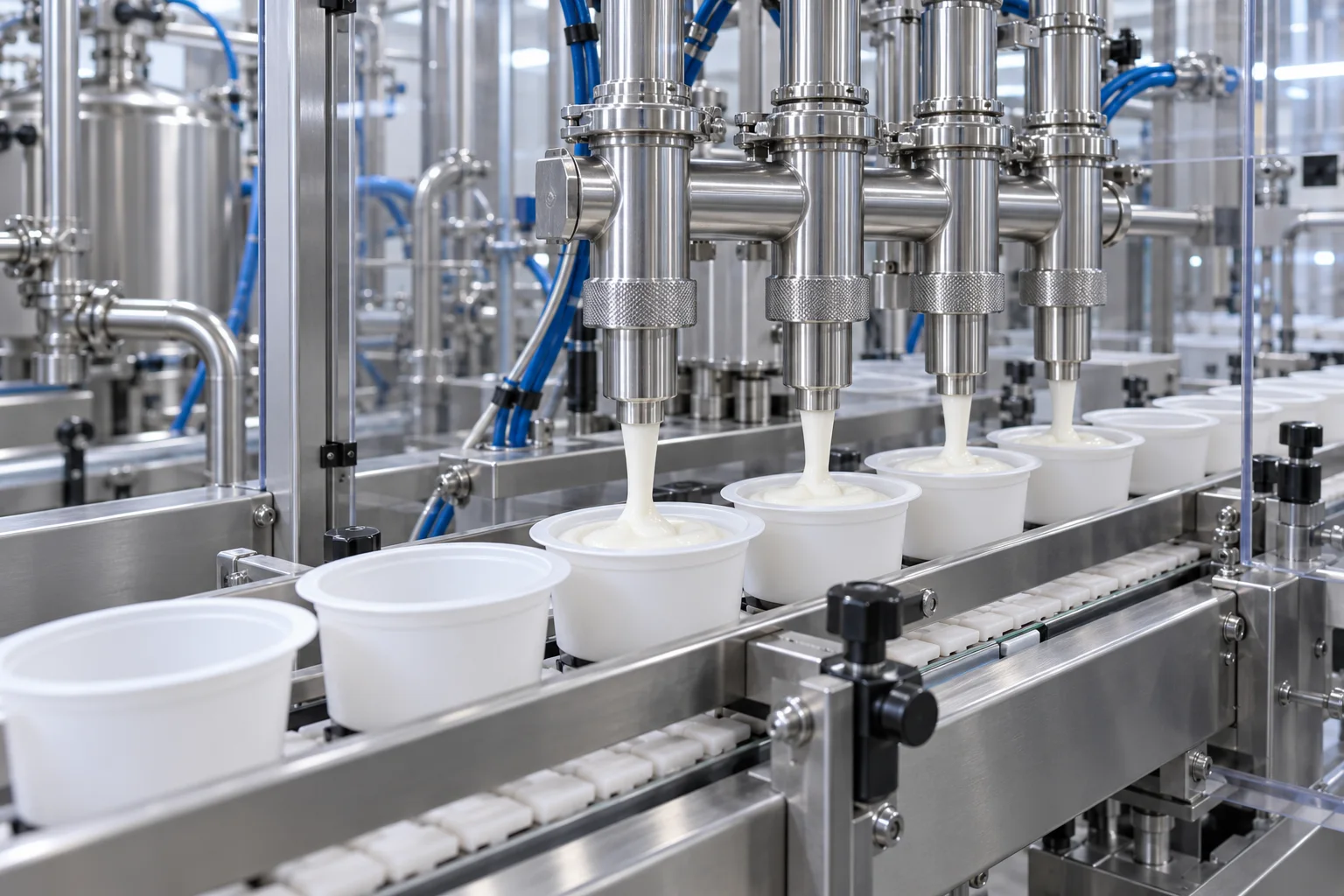
Explore dosing and sealed packaging for yogurt, desserts, and suitable liquid foods. Form-fill-seal concepts combine container forming, product filling, and sealing in an integrated process.

Sensitive dairy, juice, and plant-based beverages need a coordinated hygiene strategy. Product treatment, container preparation, protected filling, and cleaning must be specified and validated together.
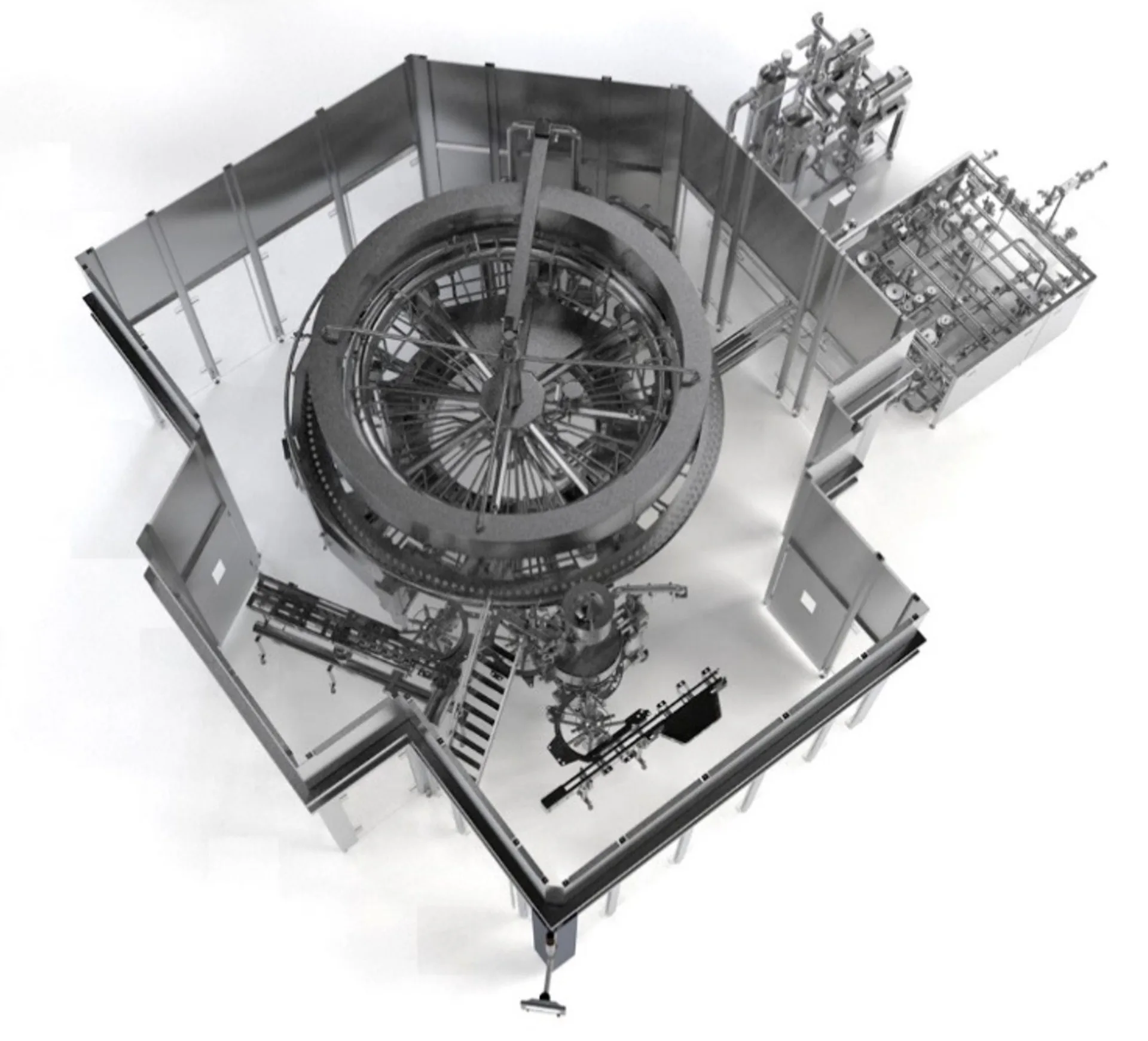
Still or carbonated? Clear or with particles? Chilled, ambient, or hot? These are equipment decisions as much as product decisions. Flow measurement, fill-level control, or weight-based dosing can be considered according to the application. Bottle geometry, neck finish, fill volume, foaming behaviour, and oxygen sensitivity help define the filling method. Share your product specification and packaging samples so the process can be assessed before equipment is selected.
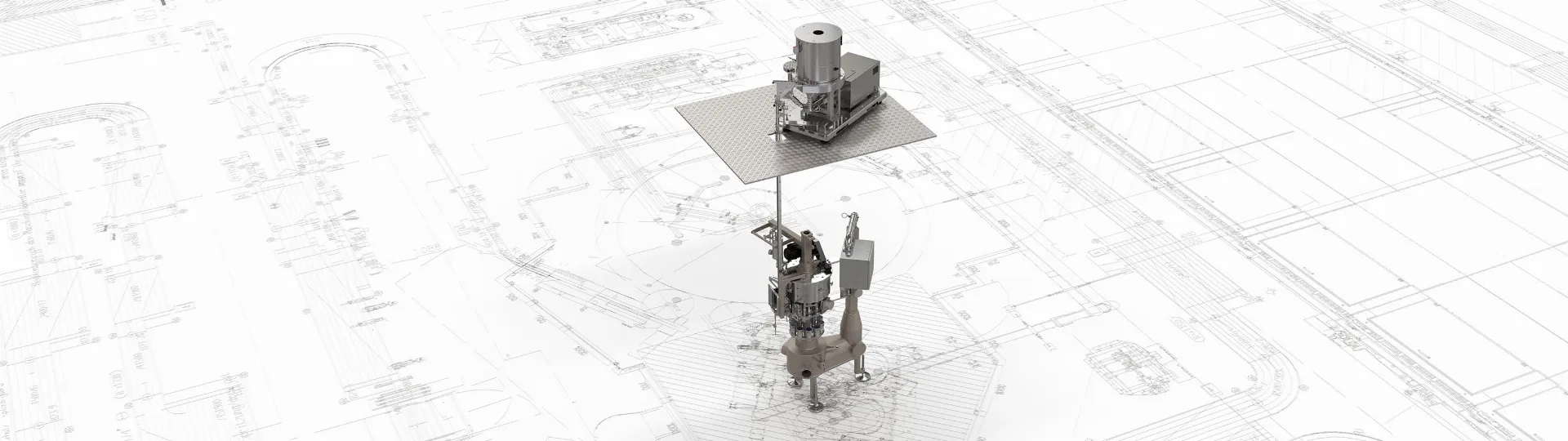
Filling and closing need to work as one process. Match screw caps, crowns, can ends, or sealed lids to the container and intended product. Container transfers, closure feeding, and the closing method are considered together. Inspection can monitor fill level, closure presence, or other agreed quality criteria. Cleaning access, changeover requirements, and operator access belong in the layout from the beginning.

A dependable production concept connects upstream preparation with downstream packing. Consider container infeed or forming, rinsing, filling, closing, labelling, conveying, and secondary packaging as one flow. The configuration also depends on available floor space, utilities, cleaning procedures, maintenance access, and the range of formats you plan to run. Liliang Machinery starts with those requirements to help define the next practical step.
FROM PRODUCT TO FINISHED PACK
Form or feed containers, then rinse or treat them according to the product and hygiene requirements.
Dose the product using the filling method, operating temperature, and accuracy criteria defined for the application.
Apply caps, crowns, seams, or sealed lids matched to the container and product.
Plan agreed quality inspections, product identification, and labelling before the pack leaves the line.
Group finished containers, prepare secondary packaging, and connect onward handling to the production flow.
A CLOSER LOOK
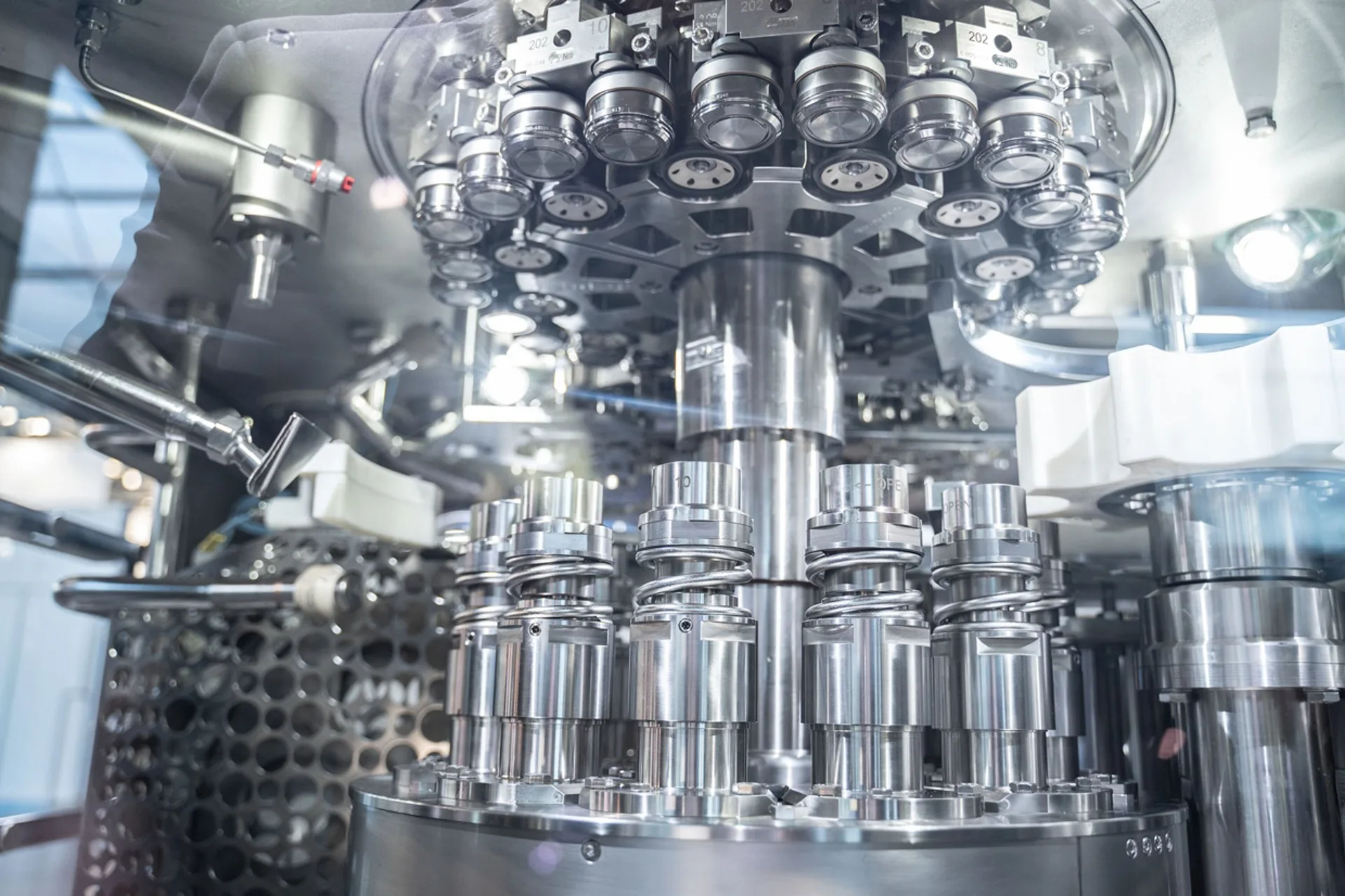
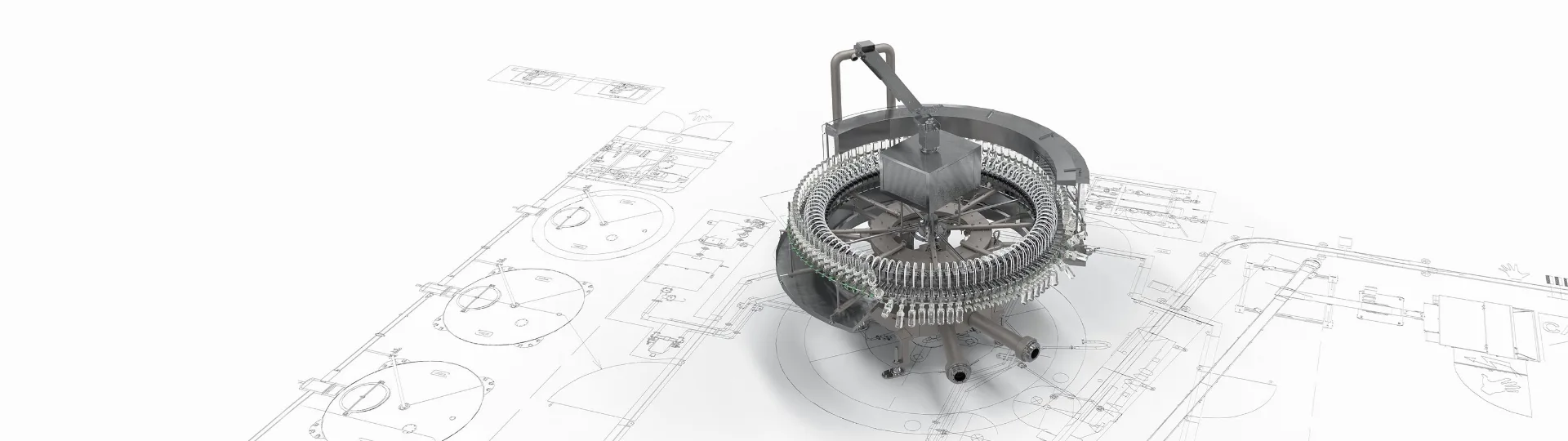
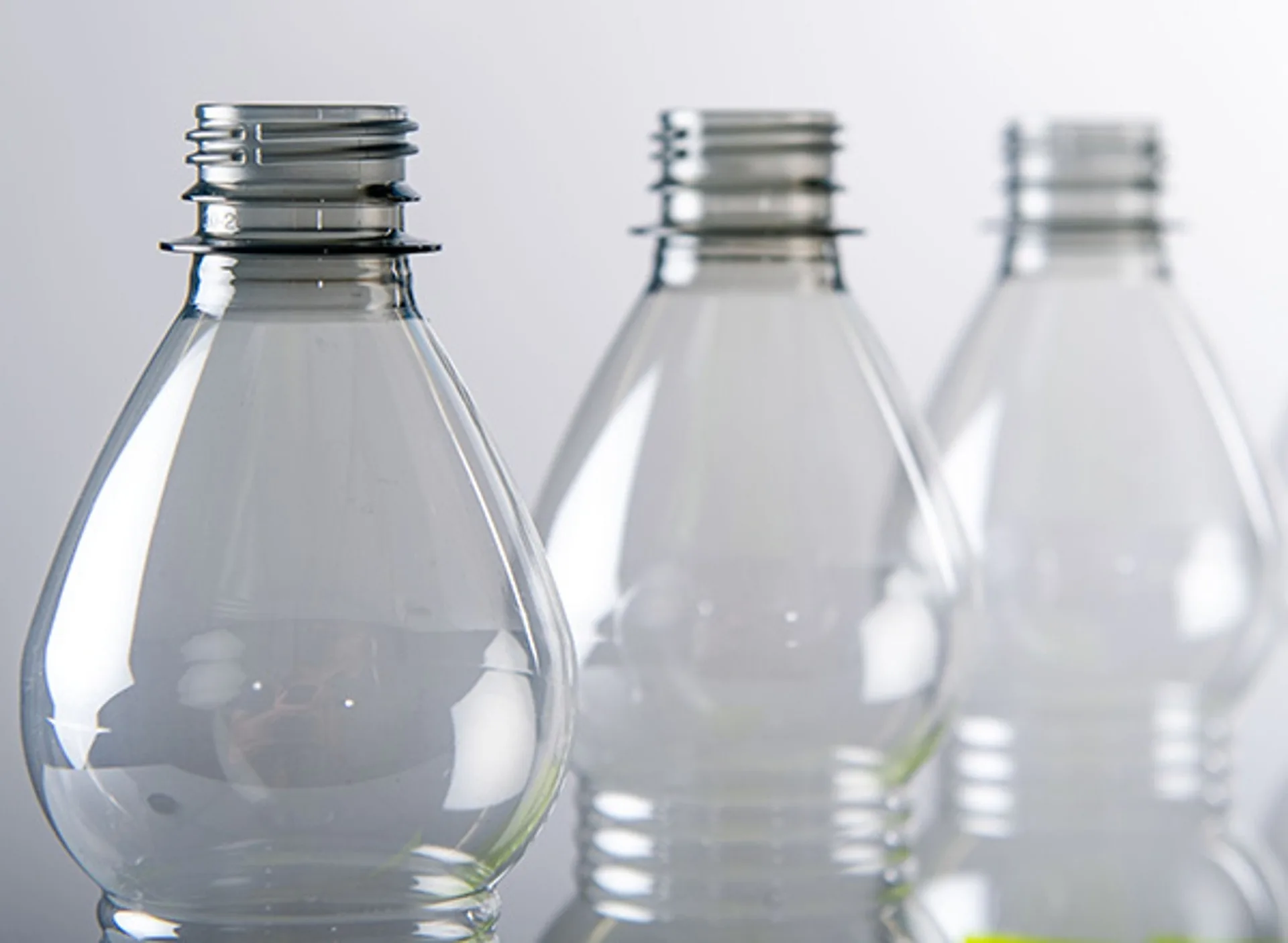
Explore container formats, preparation equipment, and the components that bring a filling process together.

A FEW USEFUL ANSWERS
Start with your product, target output, fill volume, container material and dimensions, closure type, and project location. Product temperature, viscosity, carbonation, particles, and the intended shelf life help define the process. Photos, drawings, or packaging samples make the initial review more useful.
Format flexibility depends on the machine, container dimensions, closures, and required changeovers. Provide the full range of formats at the start so handling parts, adjustment requirements, and the practical changeover approach can be assessed together.
Cold filling, hot filling, and aseptic filling use different product and hygiene strategies. The choice depends on the recipe, container, distribution conditions, and target shelf life. Aseptic applications require a validated process covering product treatment, packaging preparation, and the filling environment.
Yes, the line concept can include conveying, labelling, inspection, secondary packaging, and onward handling. Each stage must be matched to the agreed container range, product flow, available space, and operating requirements.
Cleaning access, suitable product-contact materials, cleaning-in-place requirements, and any sterilisation needs should be defined during the technical review. The required hygiene level comes from the product and process; it cannot be assumed from the filling machine alone.
Plan around the product, container sizes, operating schedule, format changes, and required finished output. The complete line must be assessed together, including upstream preparation and downstream packing, before a working capacity can be agreed.
LET’S TALK ABOUT YOUR NEXT PROJECT
Bring us your challenge. Let’s explore what comes next.